
Industry Insights 6 min read

The Rise of BIPV in the GCC: From Niche Technology to Mainstream Construction

Empereal Editorial Team

Architectural BIPV is moving fast from experimental installations to standard construction practice across the GCC. With landmark projects like the DEWA Headquarters and Masdar MC2 proving technical viability at scale, developers across the region are increasingly specifying BIPV as a primary building material.

BIPV: Where Architecture Meets Energy

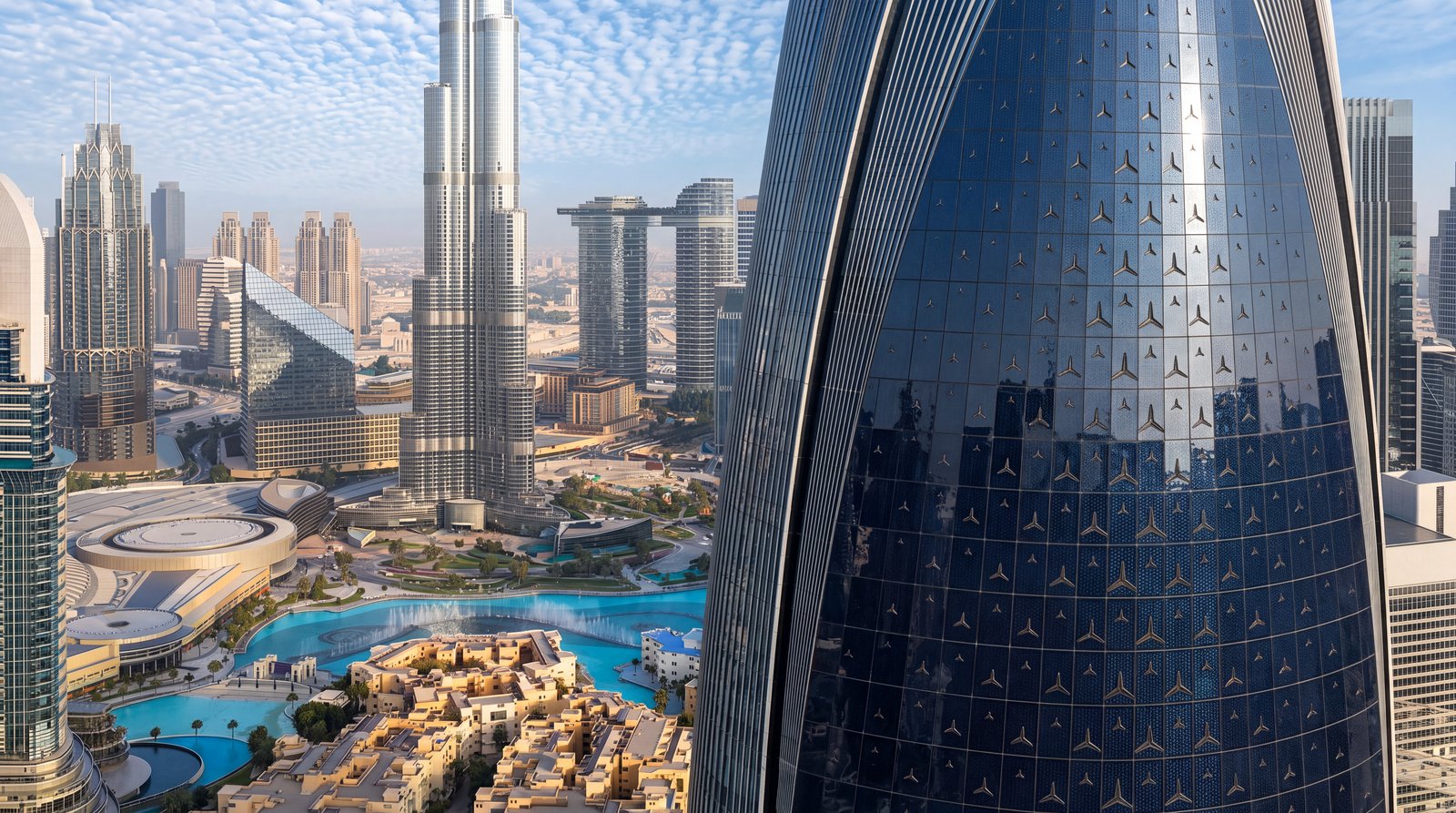
Architectural BIPV is no longer a niche technology — it is becoming a defining feature of modern architecture in the GCC. From the Mercedes-Benz Binghatti Tower's custom solar glass façade to the DEWA Headquarters' 4,983 kWp unified system, BIPV is transforming skylines while generating clean power.

Key Drivers in the Region

The GCC's harsh climate, with intense solar irradiation and high temperatures, makes BIPV particularly effective. The region's ambitious net-zero targets — Dubai's 2050 strategy, Saudi Vision 2030, and the UAE's Net Zero by 2050 — are driving demand for buildings that generate their own energy.

Empereal's BIPV Portfolio

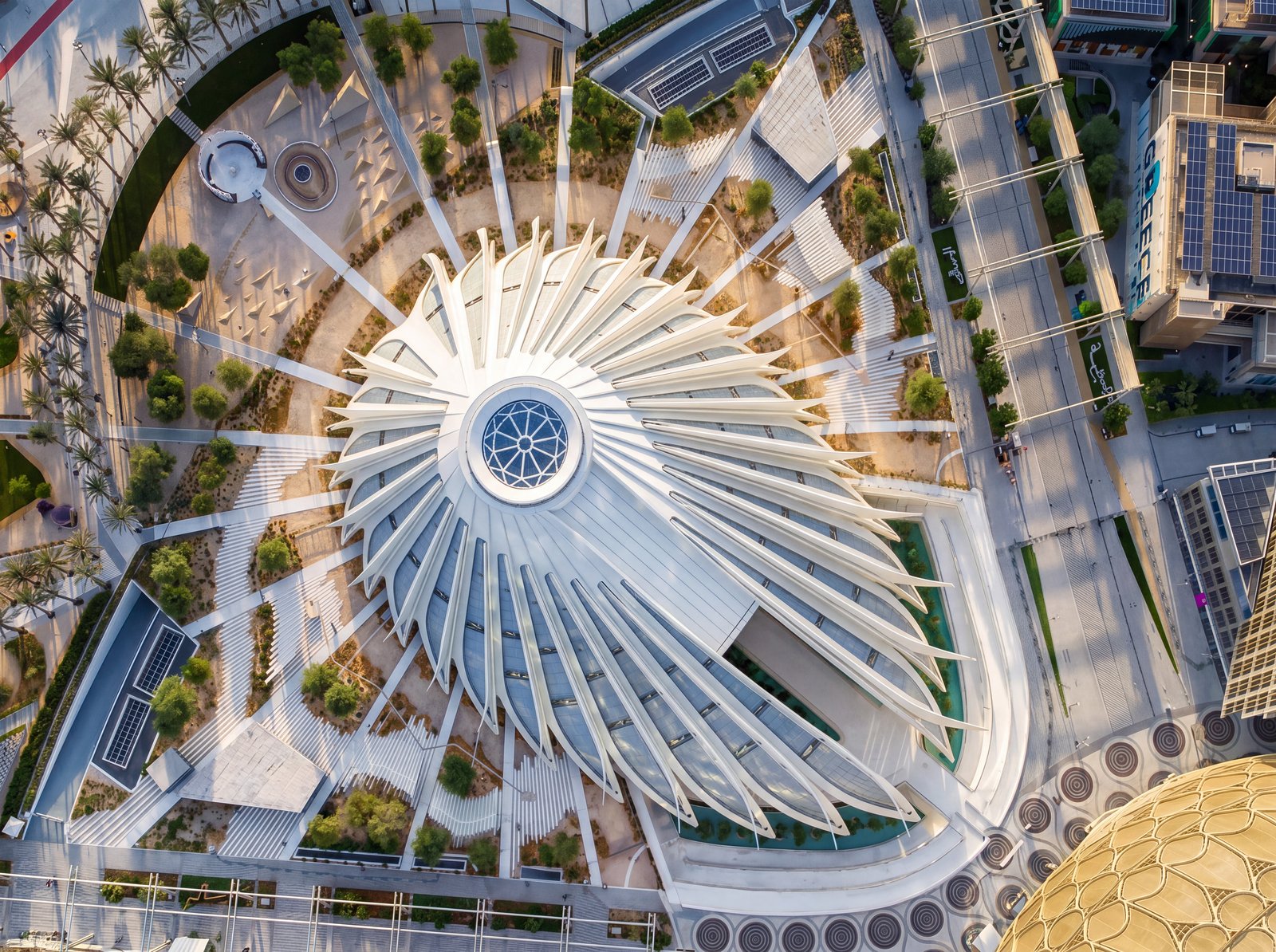
Our portfolio includes some of the most iconic BIPV projects in the region: the UAE Pavilion at Expo 2020, the ACWA Power Headquarters in Riyadh, the Mercedes-Benz Tower, and the DEWA Solar Tree. Each project pushes the boundaries of what is possible, combining architectural beauty with engineering performance.

Key Takeaways

BIPV is reshaping GCC architecture and energy policy, with net-zero targets driving demand for energy-generating buildings — a trend reflected in Empereal's portfolio of the region's most iconic BIPV projects, where custom solar glass and façade integration are becoming standard.

Interested in Our Work?

Speak with our team to explore how Empereal can power your next clean energy project.

Get in Touch